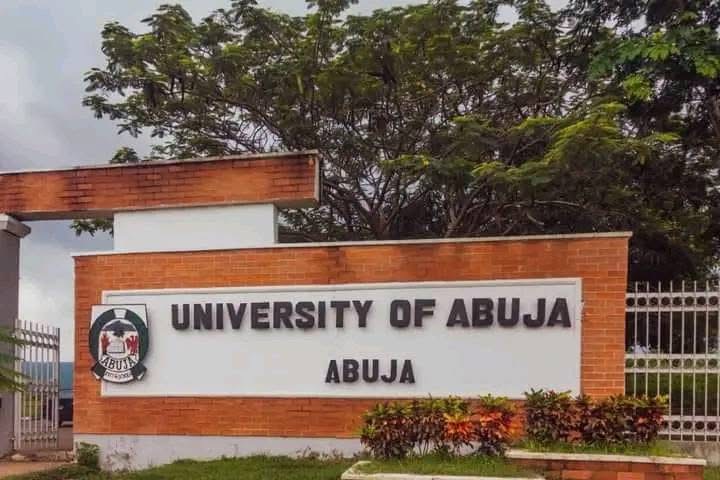
As University of Abuja, now operating as Yakubu Gowon University, prepares to graduate over 12,000 students, the upcoming convocation is shedding light on deeper institutional dynamics, including leadership recovery, discipline policies, and unresolved structural challenges.
The ceremony marks the first convocation under Vice-Chancellor Hakeem Babatunde Fawehinmi, who assumed office following a turbulent period in the university’s history. The institution had previously experienced administrative instability, including the appointment of multiple acting vice-chancellors within a short timeframe, a situation that contributed to internal tensions and governance concerns.
While the current leadership has declared that stability has been restored, observers within the education sector suggest that such disruptions often leave lasting effects on institutional efficiency, staff morale, and policy continuity. The convocation, therefore, comes at a time when the university is attempting to rebuild both its image and operational strength.
Beyond leadership, the institution’s disciplinary measures have also come into focus. The recent expulsion of 28 students for various offences signals a stricter enforcement approach, raising broader questions about student conduct, campus culture, and administrative oversight.
At the same time, the university is positioning itself as a growing research hub, citing advancements in areas such as cardiovascular studies and sickle cell research, alongside international collaborations. A student team’s selection to represent Nigeria at a global event in Rome further underscores its academic ambitions.
However, these achievements exist alongside persistent structural concerns. Funding constraints remain a major issue, with the university acknowledging that reliance on government support is no longer sufficient. Efforts to boost internally generated revenue and block financial leakages are ongoing, but their effectiveness remains to be fully tested.
Land encroachment continues to pose another serious threat, with warnings that key expansion plans could be disrupted. For an institution aiming to scale up significantly in the coming years, such challenges highlight the delicate balance between growth and sustainability.
The convocation itself will feature a range of activities, including academic showcases, public lectures, and the conferment of honorary degrees on notable Nigerians, reflecting both tradition and forward-looking ambition.
From Tipz’s perspective, the unfolding situation presents a layered narrative. On one hand, the university is demonstrating resilience, recovering from leadership instability and pushing forward with academic and research advancements. On the other hand, underlying structural issues such as funding gaps, infrastructure limitations, and land disputes continue to cast a shadow over its long-term trajectory.
As thousands of students prepare to graduate, the institution stands at a crossroads, balancing progress with persistent challenges. The real test will not be the success of the convocation itself, but how effectively these deeper issues are addressed in the years ahead.
